These vegetable croquettes are a quiet celebration of childhood memories, where the smell of fried goodness filled the kitchen and my grandma’s laugh echoed through the room. There’s something about the humble mix of mashed root vegetables and herbs that feels honest and grounding, especially when crispy on the outside and tender inside. Making them from scratch feels like a small act of reclaiming that simple joy, with the added twist of today’s fresh ingredients.
I’ve always loved how these croquettes hold a bit of chaos—every batch turns out just slightly different, depending on the vegetables I use and how much I fuss over the seasoning. It’s a messy, imperfect process, but that’s part of the charm. They’re perfect for a relaxed weekend afternoon, a nostalgic snack that doesn’t demand perfection, just honest, crunchy comfort.
Focusing on the nostalgic comfort of childhood, these vegetable croquettes are a love letter to simple, honest flavors. I’ll show you how to make them crispy on the outside and tender inside, just like the ones from my grandma’s kitchen, but with a modern twist that keeps them fresh and vibrant.
A nostalgic crunch in every bite
- Biting into one of these croquettes instantly transports me back to lazy Sunday afternoons at my grandma’s house, where the smell of frying vegetables filled the room.
- I love how each batch has its own personality—sometimes extra crispy, other times tender inside, and that unpredictability keeps me coming back.
- There’s a quiet pride I feel knowing I can turn humble vegetables into something crispy and satisfying, especially when shared with friends or family.
- Frying these croquettes always reminds me that simple ingredients, handled with care, create real comfort—no fancy tricks needed.
- Nothing beats the feeling of getting that perfect golden crust after a few tries, it’s a small victory every time.
The story behind this recipe
- Making these vegetable croquettes started as a way to use up odds and ends in the fridge. I was tired of the usual roasted veg and wanted something crispy and a little more satisfying. The first batch was a total mess, but I loved that imperfect charm. It’s a dish born from kitchen experiments and a need for honest, simple comfort food.
- What keeps me coming back is how forgiving they are—just mash, season, and fry. Each time, I tweak the vegetables or herbs, and they turn out a little different but always cozy. It’s that unpredictability that makes them feel special, like a small, tasty rebellion against perfection.
- heading: The story behind this recipe
Contextual origin, trivia, or history
- Vegetable croquettes have roots in European peasant cuisines, where turning humble leftovers into crispy bites was common.
- The concept of croquettes spread widely during the 19th century, evolving into various national versions, from French to Spanish tapas.
- Interestingly, these snack-like morsels were often used as street food, making them accessible and beloved across social classes.
- In some regions, vegetable croquettes are linked to seasonal celebrations, especially when local produce is abundant and fresh.
- Modern twists on this classic often incorporate unexpected vegetables or herbs, keeping the tradition alive while adding new flavors.
Ingredient breakdown
- Potatoes: I like starchy potatoes for creaminess, but sweet potatoes give a subtle sweetness and vibrant color—try both to see which you prefer.
- Carrots: I chop them finely or grate; they add a sweet, earthy note and a bit of crunch. Skip if you want a milder flavor.
- Parsley: Fresh parsley brightens the flavor with its grassy, clean aroma—don’t skimp on it, even if it seems like a small touch.
- Breadcrumbs: Panko breadcrumbs create a crisp exterior, but regular dried breadcrumbs work fine if that’s what you have—just watch for uneven browning.
- Eggs: They help bind everything together, giving the croquettes structure. For a vegan version, try flaxseed meal mixed with water for a similar effect.
- Onion: Sautéed until golden, onion adds depth and a subtle sweetness. Raw onion might overpower, so cook it well.
- Oil: Use a neutral oil like vegetable or canola for frying—smoke point is key for that perfect crackle and golden crust.
Spotlight on Key Ingredients
Potatoes and Carrots:
- Potatoes: I prefer starchy varieties for a creamy mash, but sweet potatoes lend a subtle sweetness and vibrant hue—try both for different vibes.
- Carrots: Grated finely or chopped small, they add a natural sweetness and a slight crunch, elevating the texture and flavor.
Notes for ingredient swaps
- Dairy-Free: Use mashed avocado or a plant-based cheese instead of dairy cheese; it adds creaminess but changes flavor and richness.
- Gluten-Free: Swap regular breadcrumbs for crushed gluten-free rice or cornflakes; keeps the crunch without wheat, slightly different texture.
- Vegan: Replace eggs with flaxseed meal mixed with water; binds well but may affect firmness slightly.
- Low-Sodium: Use unsalted butter or omit salt during seasoning; flavor may be milder, so adjust herbs and spices accordingly.
- Sweet Potatoes: Substitute regular potatoes with sweet potatoes for a sweeter, vibrant croquette, which pairs beautifully with savory herbs.
- Herbs: Fresh parsley can be replaced with chives or cilantro for a different fresh note; dried herbs work too, but less vibrant.
- Oil: Use sesame or peanut oil for a nuttier flavor; keep in mind the smoke point and adjust heat accordingly.
Equipment & Tools
- Large saucepan: Boil vegetables evenly and efficiently.
- Potato masher: Mash vegetables to a smooth, cohesive consistency.
- Mixing bowl: Combine ingredients thoroughly.
- Frying pan: Deep-fry croquettes with control and even heat.
- Tongs or slotted spoon: Handle hot croquettes safely and drain excess oil.
- Paper towels: Absorb excess oil and keep croquettes crispy.
Step-by-step guide to vegetable croquettes
- Equipment & Tools: Gather a large saucepan for boiling, a potato masher for mashing, a mixing bowl, a sharp knife, a frying pan (preferably non-stick), tongs or slotted spoon, and paper towels for draining.
- Boil the vegetables: Fill the saucepan with water, add peeled potatoes, carrots, and any other sturdy veg. Bring to a boil over medium-high heat (~100°C / 212°F). Cook until tender, about 15-20 minutes.
- Mash and season: Drain vegetables thoroughly. While still warm, mash them well in the bowl. Add salt, pepper, finely chopped herbs, and a pinch of paprika or cayenne if you like. Mix until smooth and well combined.
- Form the croquettes: Take about 2-3 tablespoons of the mixture, shape into small logs or rounds with your hands. Keep them uniform for even cooking. If mixture feels too loose, refrigerate for 10 minutes to firm up.
- Prepare for frying: Pour oil into the frying pan, about 1-2 cm deep, and heat over medium heat (~180°C / 356°F). Test with a small piece—if it sizzles immediately, you’re ready.
- Coat and fry: Carefully place croquettes into hot oil. Fry in batches, turning occasionally, until golden brown and crispy, about 3-4 minutes per batch. Watch for bubbling and a rich aroma of fried vegetables.
- Drain and rest: Use tongs or a slotted spoon to transfer croquettes to paper towels. Let them sit for a couple of minutes to drain excess oil and crisp up further.
- Serve: Plate hot, garnished with extra herbs or a squeeze of lemon. Enjoy immediately for the best crunch and flavor.
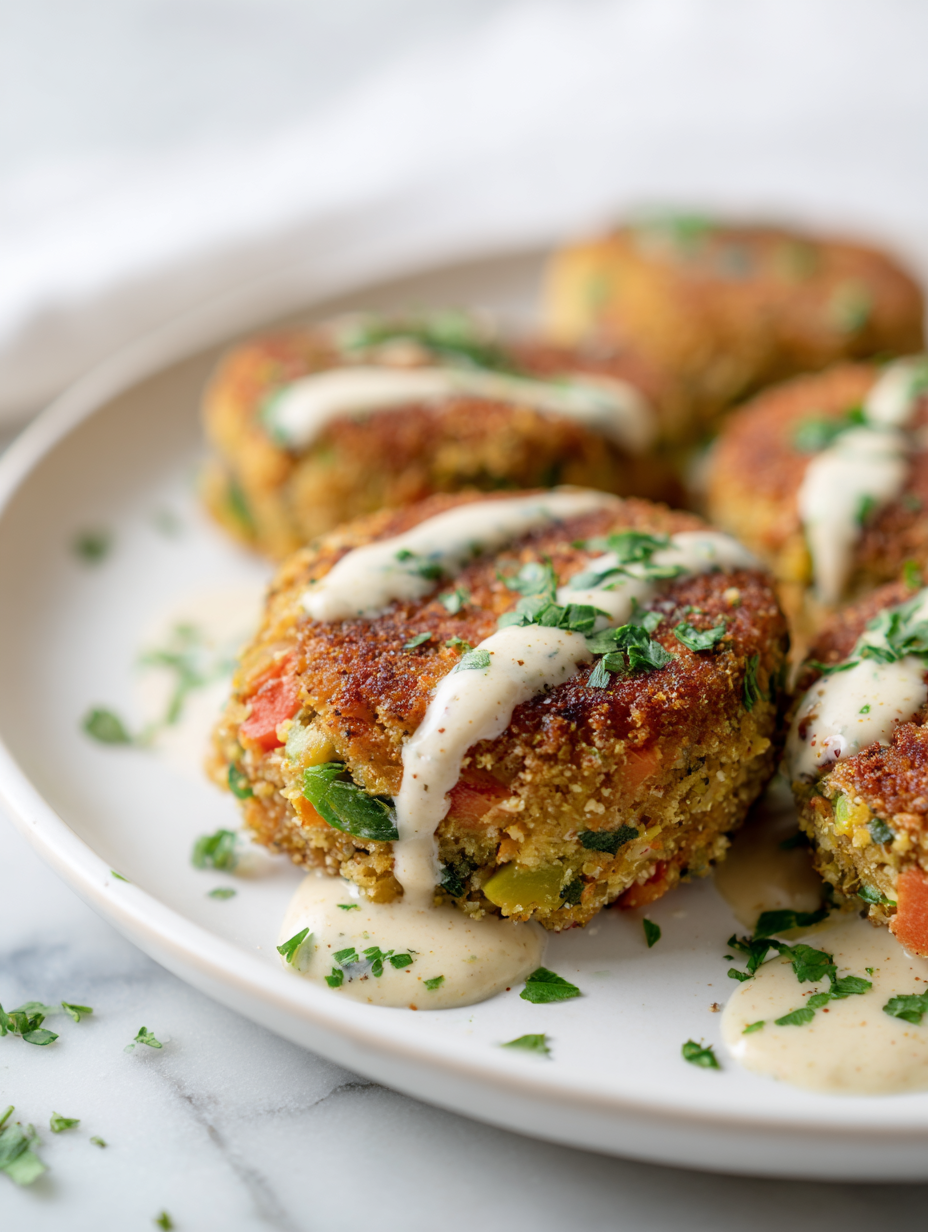
Allow croquettes to rest on paper towels for a minute to drain excess oil. Serve hot, with optional lemon wedges or a fresh herb garnish. They should be crispy on the outside and soft inside, perfect for munching immediately.
How to Know It’s Done
- Golden-brown exterior with a crispy crust.
- Inside is tender and steaming hot when cut open.
- Oil bubbling steadily during frying without smoking excessively.
Vegetable Croquettes
Ingredients
Equipment
Method
- Peel and chop the potatoes into chunks, then place them in a large saucepan filled with cold water. Bring to a boil over medium-high heat and cook until tender, about 15-20 minutes. Drain well and set aside.
- While the potatoes are cooking, grate or finely chop the carrots and set aside. Sauté the chopped onion in a little oil until golden and fragrant, about 5 minutes, then let it cool slightly.
- Once the potatoes are cool enough to handle, mash them thoroughly in a mixing bowl until smooth and creamy. Add the grated carrots, sautéed onion, chopped parsley, and season with a pinch of salt and pepper. Mix everything together until well combined.
- Shape the mixture into small logs or patties, about the size of a golf ball or small fist. If the mixture feels too loose, refrigerate for 10 minutes to help it firm up.
- Pour the beaten egg into a shallow dish. Place the panko breadcrumbs in another shallow dish. Dip each shaped croquette into the egg, then roll in the breadcrumbs until evenly coated.
- Heat the oil in a frying pan over medium heat until bubbling and hot, about 180°C (356°F). Carefully place the coated croquettes into the hot oil, working in batches to avoid overcrowding. Fry until golden brown and crispy, about 3-4 minutes per side.
- Use tongs or a slotted spoon to transfer the cooked croquettes onto paper towels to drain excess oil. Let them rest for a minute to crisp up further.
- Serve the croquettes hot, garnished with extra parsley or a squeeze of lemon if desired. Enjoy their crunchy exterior and tender, flavorful interior in every bite.
Pro tips for perfect croquettes
- Bolded crust: Use panko breadcrumbs for a light, airy crunch that shatters beautifully with each bite.
- Cold mixture: Chill the mashed vegetables for at least 30 minutes before shaping—makes handling much easier and croquettes more uniform.
- Oil temperature: Maintain a steady 180°C (356°F) for frying; too hot and they burn, too cool and they turn greasy.
- Gentle handling: Don’t overwork the mixture when shaping—this prevents dense croquettes and keeps them light and crispy.
- Drain well: Rest freshly fried croquettes on paper towels until excess oil is absorbed—keeps the crust crisp and not soggy.
- Final fry: For extra crunch, give them a quick second fry at 190°C (374°F) for 30 seconds right before serving.
- Season early: Taste the mash before shaping; adjusting salt and herbs upfront ensures even flavor distribution.
Common mistakes and how to fix them
- FORGOT to dry vegetables thoroughly, leading to splattering—pat dry with a towel before mashing.
- DUMPED too much oil in pan, causing soggy croquettes—use just enough for a crispy exterior.
- OVER-TORCHED the first batch, resulting in bitter taste—reduce heat and watch closely.
- FAILED to test oil temperature, ending with greasy croquettes—use a thermometer or bread cube test.
Quick fixes and pantry swaps
- When oil splatters, splash a little water—resists grease and calms the sizzling.
- If croquettes fall apart, patch with a little beaten egg and re-shape gently.
- Dumped too much oil in pan? Shield with paper towels and drain excess before frying again.
- When croquettes are over-torched, reduce heat immediately and scrape off burnt bits.
- Splash cold water on a smoky pan to tame the smoke and refresh the oil shimmer.
Prep, store, and reheat tips
- Prepare the mashed vegetable mixture a day in advance; keep it covered in the fridge to develop flavors and improve binding.
- Form the croquettes ahead of time and refrigerate on a tray lined with parchment for up to 24 hours; they firm up and are easier to fry later.
- Store cooked croquettes in an airtight container in the fridge for up to 2 days; reheat in a hot oven or skillet until crispy, about 5-7 minutes, until you hear a crackle and see a golden sheen.
- Reheat leftovers in the oven at 190°C (375°F) for 10 minutes, or until heated through and crispy. Avoid microwaving, which makes them soggy and limp.
- For freezer storage, freeze uncooked croquettes on a tray, then transfer to a sealed bag. Bake directly from frozen at 200°C (392°F) for 15-20 minutes, until golden and crunchy, with a fragrant aroma and crispy exterior.
FAQs about Vegetable Croquettes
1. Can I use other types of potatoes or vegetables?
Use starchy potatoes like Russets for a creamy mash that binds well. Sweet potatoes give a vibrant color and a hint of sweetness, which is lovely in a savory context.
2. What other vegetables work in croquettes?
Yes, you can swap in other root vegetables like parsnips or turnips for different flavors and textures, but adjust cooking times accordingly.
3. My mixture is too soft to shape, what do I do?
Ensure the mixture is firm enough to shape; if it’s too soft, chilling it for 10-15 minutes helps. If it’s too crumbly, add a bit more beaten egg or a splash of water.
4. How do I know when the oil is hot enough?
Fry in enough hot oil (~180°C / 356°F) so croquettes can crisp up evenly without sticking or falling apart. Use tongs to handle them carefully.
5. How can I tell when the croquettes are done?
Cook until golden brown and crispy on the outside, and steam gently inside when cut open. The aroma should be nutty and inviting.
6. Can I make these vegan?
For a vegan version, substitute eggs with flaxseed meal mixed with water—this helps the mixture hold together but might be slightly less firm.
7. How should I store and reheat leftovers?
Leftover croquettes can be stored in the fridge for up to 2 days. Reheat in a hot oven until crispy and heated through, about 5-7 minutes.
8. Can I use different breadcrumbs?
Use panko breadcrumbs for a lighter crunch, or regular dried breadcrumbs if that’s what you have. Both will give a nice crust, but panko is airier.
9. They keep falling apart, how to fix it?
If the croquettes fall apart during frying, chill the shaped croquettes for 10 minutes or add a little more egg or binding agent.
10. How do I avoid oil splatters?
To prevent splattering, fry in small batches and keep the oil temperature steady. Use a splatter guard if you have one.
Making these vegetable croquettes is more than just a kitchen task; it’s a small act of reclaiming comfort food with honest, simple ingredients. Each crispy bite carries a bit of nostalgia, a reminder of childhood kitchens and lazy afternoons filled with the smell of fried vegetables.
They’re perfect for when you need a humble, satisfying snack that doesn’t ask for perfection—just good ingredients and a little patience. In the end, it’s those imperfect, crispy moments that make this dish worth every fry.